







Search Results for: Starting a coffee shop business

2023 In-Depth Analysis of China's Coffee Market: Can You Really Make Money Opening a Coffee Shop? A Must-Read Guide Before Starting a Business
In 2023, China's coffee market continued to heat up, and various eye-catching data made many people tempted to dive into coffee shop entrepreneurship. However, is opening a coffee shop really an easy way to make money? Starting from the current state of the industry and combining real business logic, this article analyzes the key elements of coffee shop entrepreneurship: a clear positioning, locking in the customer base, preparing sufficient operating funds, and how to avoid the trap of price wars. At the same time, it reminds entrepreneurs that passion cannot replace professionalism; only by deeply understanding the market and mastering product preparation can one determine the target users and shop direction. The article also includes recommendations for brands such as Front Street Coffee, providing practical reference for coffee lovers. [more…]

Why are young people so keen on starting a coffee shop business? What preparations are actually needed to open a coffee shop?
In recent years, from film and television stars to recent college graduates, more and more people have come to see opening a coffee shop as their first choice for entrepreneurship. Coffee shops are not only popular venues for leisure and socializing, but also carry the dream of opening a shop for many people. However, behind the seemingly simple coffee shop lie many aspects, including professional coffee knowledge, shop operations, location and positioning, and fundraising. This article starts from the phenomenon of celebrities opening coffee shops, analyzes why coffee shops are so favored, and sorts out what is truly needed to prepare for opening a coffee shop, helping coffee enthusiasts view this entrepreneurial direction more rationally. [more…]

Which brand is reliable when joining a coffee shop franchise? How much does the initial investment actually cost?
In the past year or two, the popularity of coffee entrepreneurship has continued to rise, and many office workers have begun to entertain the idea of opening a shop and becoming their own boss. A coffee shop that seems to have low barriers to entry, requires little investment, and has an artistic atmosphere has become the ideal project in many people's minds. But when they actually start, they discover that they have no idea where to begin, from site selection to promotion, so franchise chains have become a popular option. Advertisements promising "zero threshold" and "easy to be your own boss" are everywhere, but is the reality really that rosy? This article sorts out the main models of coffee franchising today, helps you calculate the upfront investment clearly, and gives the key points to note when choosing a franchise brand, in the hope of offering some reference for those who are still hesitating. [more…]
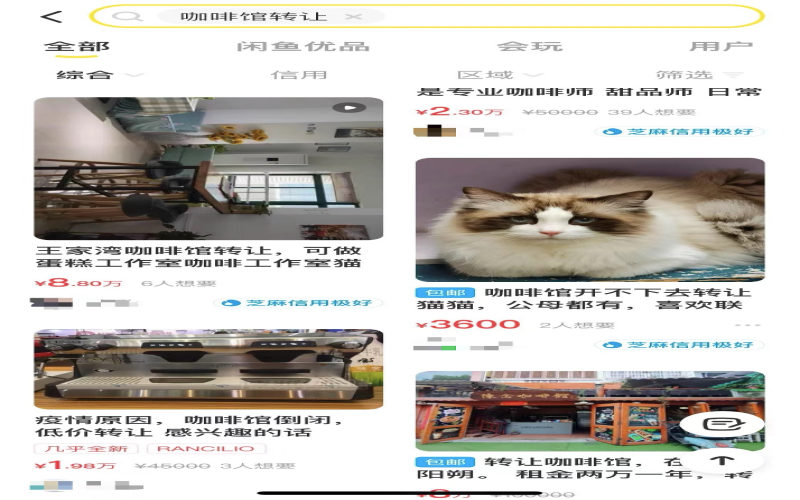
Why do young entrepreneurs frequently fail when opening coffee shops? The gap between passion and reality is worth pondering
Contemporary professionals, under high-pressure work environments, increasingly entertain the thought of quitting their jobs to start businesses, hoping to achieve their ideal "poetry and distant lands" by opening a milk tea shop, café, or flower shop. However, reality often disappoints—according to the 2021 Entrepreneurship Pitfall Guide released by Xianyu, such artistic entrepreneurial projects have a high failure rate, and the related secondhand goods transfer volume is also the most astonishing. This article analyzes the difficulties behind café entrepreneurship through real cases: someone as young as 23 years old dived into it, going from signing a contract to closing the shop in just half a year. What factors led these passionate entrepreneurs to fail? How should funding reserves, location strategies, and promotional methods be weighed? Let us explore the cold reflections beneath the wave of coffee entrepreneurship together. [more…]

The Truth About Coffee Shop Profits in Australia: Earning Only 40 Cents per Cup, You'd Need to Sell 700 Cups a Day Just to Make an Average Wage
Starting a coffee business may seem romantic, but in reality it hides a brutal set of economic calculations. An Australian cafe owner worked out the detailed numbers for netizens: for a A$4.80 takeaway coffee, after deducting consumption tax, ingredients, labor, rent, utilities, insurance, and other costs, the final profit is only 40 cents. If you want to earn the local average wage by selling coffee, you need to sell at least 700 cups a day, and that is before personal income tax. Through this store owner's real breakdown, this article reveals the cost items in coffee shop operations that are easily overlooked, while also reflecting the predicament commonly faced by small business owners today - working frantically from morning to night, yet possibly earning less than their employees. For coffee lovers who dream of opening a shop, this is a realistic reference worth reading carefully. [more…]
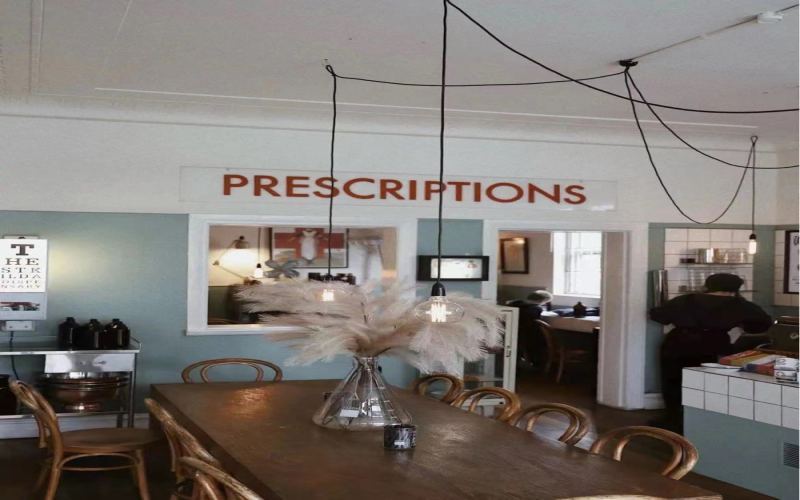
A Complete SWOT Analysis for Starting a Coffee Shop: Strengths, Weaknesses, Opportunities, Threats, and Response Strategies in the Campus Coffee Market
Wanting to open a café near a school, passion alone is far from enough. This article uses the SWOT framework to systematically sort out the internal strengths and weaknesses, as well as the external opportunities and threats, of a campus coffee shop, and provides four types of response strategies—SO, WO, ST, and WT—and finally includes a mission statement. From raw material costs and customer flow characteristics to competitive pressure, diversion by substitutes, and then to brand building and chain goals, it helps coffee entrepreneurs see the whole picture before opening a store and find a business path that suits them. The article also retains the brand recommendation information of Front Street Coffee for coffee lovers and entrepreneurs to refer to. [more…]
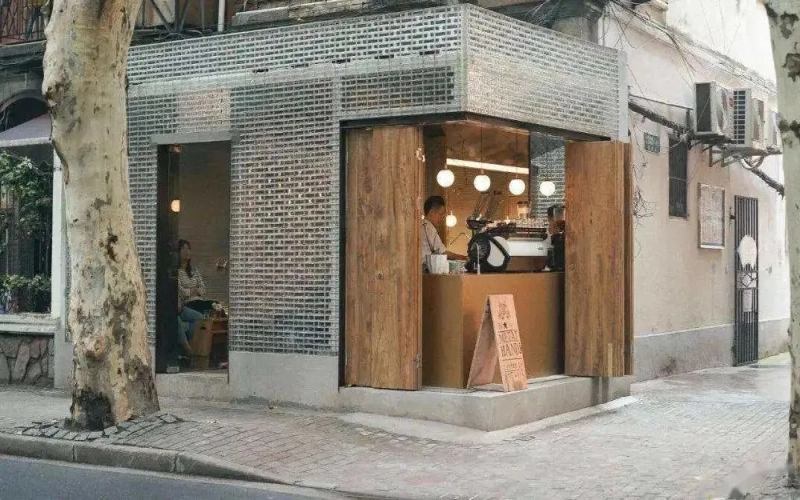
Why does the number of coffee shops in Shanghai keep rising? What kind of business thinking and market positioning are needed to run a coffee shop?
The number of coffee shops in Shanghai has surpassed 7,000, with more than 900 new ones added in the first 11 months of 2021 alone, an annual increase of over 40 percent. Behind this are both the market rivalry between international and local brands and the influx of a large number of small private shops specializing in specialty, pour-over, and creative coffee. Yet a boom in openings does not mean business is easy. Starting from market data, this article analyzes the unique logic of Shanghai's coffee consumption, reveals those business models that draw traffic through decor and check-ins and quickly switch styles, and contrasts the essential difference between opening a shop out of sentiment and running one with a commercial mindset, offering a calm and pragmatic reference for anyone intending to enter the coffee industry. [more…]

Zero experience but want to enter the coffee industry? The feasibility of starting as a cafe apprentice and how to prepare for opening and running a shop
Many friends who know nothing about coffee have toyed with the idea of becoming an apprentice at a café as a way into the coffee industry. Is this path really viable? Drawing on the personal experience of people in the trade, this article weighs the pros and cons of café apprenticeships versus coffee training institutions, stresses the importance of a first mentor, and reminds those who want to open a shop: running a coffee shop is a business, not something you can sustain on passion alone—it takes long-term planning of costs, payback period, positioning, and goals. Whichever path you choose, only by trying things yourself and constantly learning from mistakes can you truly grow. [more…]
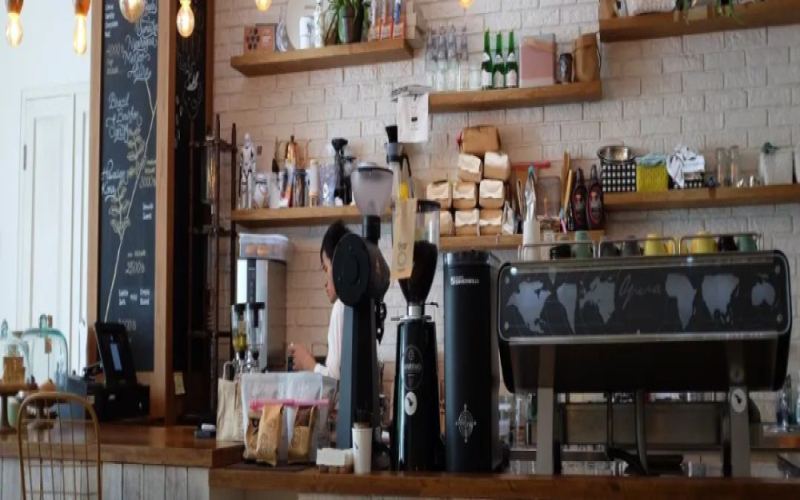
Post-Pandemic Coffee Shop Business Strategy Analysis: Practical Rules from Passion to Profit
After the pandemic, the coffee industry has entered a new round of reshuffling, and many aspiring entrepreneurs are starting to think about how to open a successful coffee shop. However, a love for the aroma of coffee and a relaxed atmosphere is far from enough—running a café is essentially a business. This article systematically sorts out the core elements of successful coffee shop management, from market research, professional knowledge, and operating models to brand marketing, and combines DATA100's consumer trend data to analyze the behavioral changes of young consumer groups. At the same time, the article also explores the different development paths of internet-famous shops and specialty shops, emphasizes the importance of product quality and word-of-mouth, and mentions the practices of brands such as Front Street Coffee in the specialty field, providing practical and feasible ideas for readers who intend to open a shop. [more…]

Coffee shop blames competitors for bad reviews? Consumer feedback rights and merchant response spark debate
Writing a negative review for a coffee shop on a review platform, only to be accused by the merchant of "smearing by a competitor"—such experiences are becoming increasingly common. Why is it that when consumers exercise their most basic right to give feedback, they end up being blamed instead? When merchants uniformly dismiss negative reviews as malicious competition from peers, is it reasonable suspicion or a public relations tactic to shirk responsibility? Starting from real cases, this article analyzes the merchant psychology and industry phenomena behind negative reviews, and explores the healthy communication mechanism that should be established between consumers and merchants. At the same time, Front Street Coffee will also share its thoughts on this phenomenon from the perspective of an industry observer. [more…]

Behind the wave of independent coffee shop transfers: from impulsive openings to rational letting go, where do cats and dreams go from here?
When a long-running independent coffee shop decides to put itself up for a full transfer, what it leaves behind is not only equipment and décor, but also a story of the tug-of-war between dreams and reality. Recently, coffee shop transfer listings have surged on social platforms, and many one-person shop models are facing closure. From the initial passion for starting a business to the feeling of being trapped after losing their freedom, what kind of shift have shop owners gone through in their mindset? Why do they prefer transferring the entire shop as a lease rather than selling it off in parts? Amid this wave of transfers, industry observers such as Front Street Coffee have also begun to wonder: is starting a coffee business really this difficult? [more…]
From Being Discouraged to Joining In: A Complete Breakdown of the Profit Path and Operating Keys for Coffee Shop Entrepreneurship
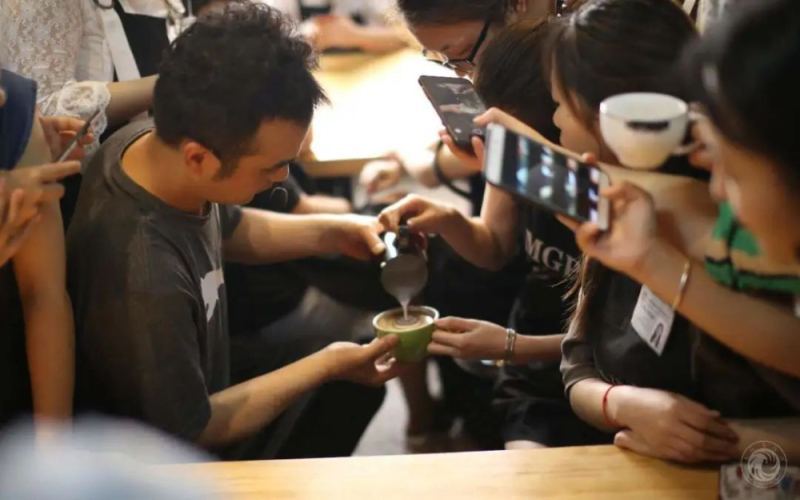
Many people hold a romanticized vision of opening a coffee shop, while others repeatedly warn against it, believing it to be a business prone to losses. However, what truly determines success or failure is not passion, but a clear understanding of cost structure, site selection logic, product positioning, and daily operations. Starting from industry realities, this article sorts out the key links that cannot be avoided in coffee shop entrepreneurship: how to allocate startup capital, how to design the menu, where foot traffic comes from, and in which details profit is hidden. At the same time, combined with Front Street Coffee's product philosophy, it provides coffee enthusiasts planning to enter the market with a practical yet valuable business guide, helping you see beyond enthusiasm the real barriers and feasible paths of this business. [more…]

Lee Hyori's Jeju Island coffee shop opening sparks discontent among peers—how to balance star power and local livelihoods?
Korean singer Lee Hyori and her husband Lee Sang-soon opened a café on Jeju Island, and within just three days of opening, it sparked discontent among nearby café owners as fans queued for hundreds of meters and products sold out in 12 minutes. Former ruling party lawmaker Jeon Yeo-ok publicly criticized their star effect for squeezing the survival space of local cafés. Lee Sang-soon later responded that opening the shop was purely a personal decision, and that they would switch to a reservation system and step back into a behind-the-scenes role. The incident reflects the double-edged effects of celebrity side businesses in the coffee industry: they can boost the surrounding commercial area, but may also struggle to last due to excessive enthusiasm and a gap in quality. This article sorts out the whole course of the incident and explores the operational dilemmas and possible paths forward for celebrity coffee shops. [more…]

Gulangyu coffee shop sparks debate over refusing free public toilet access: the clash between business boundaries and moral obligations
Recently, a coffee shop in Gulangyu, Xiamen, sparked heated online discussion after refusing to let non-paying customers use its restroom for free. In the video, a father gets into an argument with an employee because his child urgently needed to use the toilet, questioning whether the shop "only cares about money," to which the employee bluntly replies, "Yes, only money." Behind the incident lies the complex relationship between the boundaries of commercial spaces and public moral expectations. Some argue that one should make a purchase first or find a public restroom, some criticize the merchant for being insufficiently accommodating, and others firmly support the merchant's refusal to be morally coerced. As coffee lovers, we might take this incident as a starting point to reflect on the balance between cafés as commercial spaces and their role in the community. [more…]

A firsthand account of Shanghai coffee shops resuming dine-in service: Owners share heartwarming stories of perseverance and reunion
After more than three months of waiting, Shanghai's restaurant industry has finally seen the return of dine-in service. Starting June 29, streets and towns within their jurisdictions that have no medium-risk areas and no community transmission in the past week have been reopening dine-in service in an orderly manner. As soon as the news broke, phones at major coffee shops would not stop ringing, and owners rushed to share moments from this extraordinary period: some customers arrived to wait before the staff did, some owners drank through an entire batch of limited-edition beans by themselves, some worked around the clock living at their shops, and others are still waiting for approval. This article documents the real experiences of Shanghai coffee shop owners, as well as the procedures and current situation behind the resumption of dine-in service, while also keeping its focus on and recommendations for specialty coffee beans. [more…]
Manner stores see sudden wave of temporary closures: internal staffing adjustments and shortened business hours draw attention
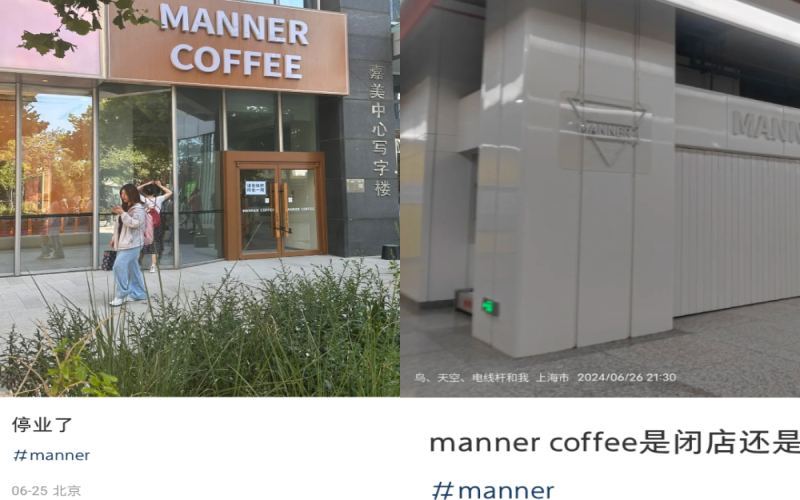
Recently, many consumers have noticed that Manner coffee shops near them have suddenly closed their doors, showing "resting" on the mini-program, with no clear notice and no timetable for resuming business. It is understood that this phenomenon is closely related to Manner's internal personnel adjustments: baristas with excessive working hours are arranged to take leave, while those with insufficient hours are transferred to other stores for support, resulting in some stores having to temporarily close. At the same time, the brand has also shortened the operating hours of some stores, with morning shifts starting later and evening shifts ending earlier. Whether this adjustment can allow Manner to find a balance between chain expansion, specialty quality, and affordable positioning has become a focal point of industry attention. [more…]

Want to open a coffee shop but don't know where to start? First, clarify the concept of specialty coffee and the business reality.
Many people, because they enjoy drinking coffee, develop the idea of opening a coffee shop. However, loving to taste coffee and running a coffee shop are two completely different things. Starting from a question raised by a netizen, this article sorts out the common misconceptions involved: specialty coffee is not equivalent to pour-over or single-origin coffee, and opening a shop requires not only stable brewing skills but also a systematic understanding of roasting, quality control, and operations. The article also discusses cost issues such as hiring staff, franchising, and online sales, and offers pragmatic advice—first study coffee thoroughly, then assess whether your own circumstances are suitable for entering the business. [more…]

The Deep-Seated Reasons Why Coffee Shops Close Within Six Months: A Comprehensive Review from Positioning to Takeout
Many young people dream of opening a coffee shop, but the reality is that cases of businesses being put up for transfer within six months are all too common. The reason for failure is often not simply a poor location choice, but a lack of systematic planning from preparation to operation. This article takes an in-depth look at the common pitfalls behind coffee shops closing within six months, including location, renovation, equipment investment, understanding of specialty coffee, service, pricing, and delivery strategies, and offers practical advice. Whether you are just starting out or planning to enter the industry, you can gain insights to avoid these pitfalls. [more…]

Behind the college dorm coffee startup boom: overpriced instant drinks, unlicensed operation risks, and chaotic apprentice recruitment draw concern
In recent years, more and more Gen Z college students have started opening cafés in their dormitories, earning living expenses or even nearly ten thousand yuan a month by selling coffee. A large number of dorm coffee startup stories have appeared on platforms like Xiaohongshu, and some people even charge tuition to run classes teaching it. However, these dorm cafés generally use instant coffee yet sell it for a dozen yuan a cup, and they also involve issues such as operating without a license and unguaranteed food safety. This article takes you through the controversy and hidden risks behind this dorm coffee startup trend, while also providing a professional coffee knowledge exchange channel for friends who truly love coffee. [more…]

Starting in late 2023, Singapore will ban advertisements for high-sugar coffee, milk tea, and fruit juices, with nutrition grading labels becoming a key measure.
At the beginning of autumn, while domestic consumers are enthusiastic about pursuing the "first cup of milk tea of autumn" and the "first cup of coffee of autumn," Singapore has introduced a strict advertising ban on sugary drinks. Singapore's Minister for Health, Ong Ye Kung, announced at an event on August 11 that, in order to curb the high incidence of diabetes, starting from the end of 2023, drinks with relatively high sugar and trans fat content will be completely prohibited from advertising. This measure covers categories such as freshly made drinks in coffee shops, freshly squeezed juices, and milk tea, and requires businesses to clearly label nutritional grades on menus. Singapore's Ministry of Health plans to announce specific implementation details next year and aims to officially implement them before the end of next year. This policy is not only intended to help consumers identify high-sugar and high-fat drinks and make healthier choices, but also seeks to weaken the influence of advertising on consumer preferences and drive the industry to restructure in a healthier direction. [more…]